Keypoint Detection
R2026bKeypoint detection, also known as keypoint localization or landmark detection, is a computer vision task that involves identifying and localizing specific points of interest of an object in an image. In computer vision tasks, keypoints can represent human body joints, facial landmarks, or salient points on objects. Computer Vision Toolbox™ supports deep learning-based approach for keypoint detection in objects using high resolution deep learning network (HRNet). HRNet is based on convolutional neural networks (CNNs). For more information about the HRNet keypoint detector, see Getting Started with HRNet.
Keypoint detection provides essential information about the location, pose, and structure of objects or entities within an image, playing a critical role in computer vision applications such as:
Pose estimation
Object detection and tracking
Facial analysis
Augmented reality

You can also train a custom object keypoint detector, or use transfer learning to modify a pretrained keypoint detector and fine-tune it for your application. For more information on transfer learning, see Deep Learning: Transfer Learning in 10 lines of MATLAB Code.
Apps
| Image Labeler | Label images for computer vision applications |
| Video Labeler | Label video for computer vision applications |
Functions
Topics
- Getting Started with HRNet
Learn high resolution network (HRNet) basics.
Featured Examples
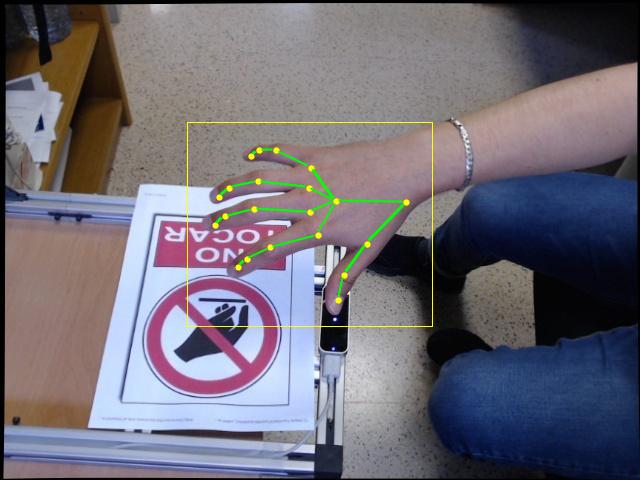
Hand Pose Estimation Using HRNet Deep Learning
Detect keypoints in a human hand and estimate the hand pose using the HRNet deep learning network.
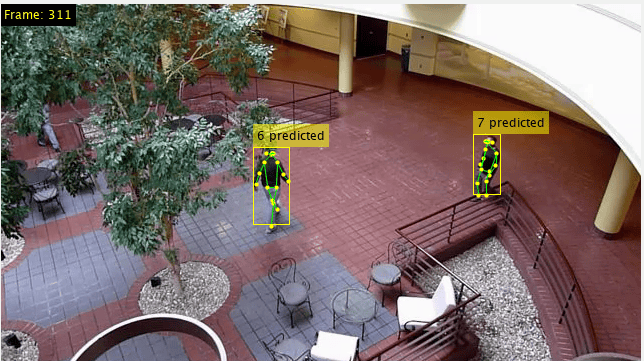
Multi-Object Tracking and Human Pose Estimation
Detect multiple people, track them, and estimate their body poses in a video by using pretrained deep learning networks and a global nearest-neighbor (GNN) assignment tracking approach.
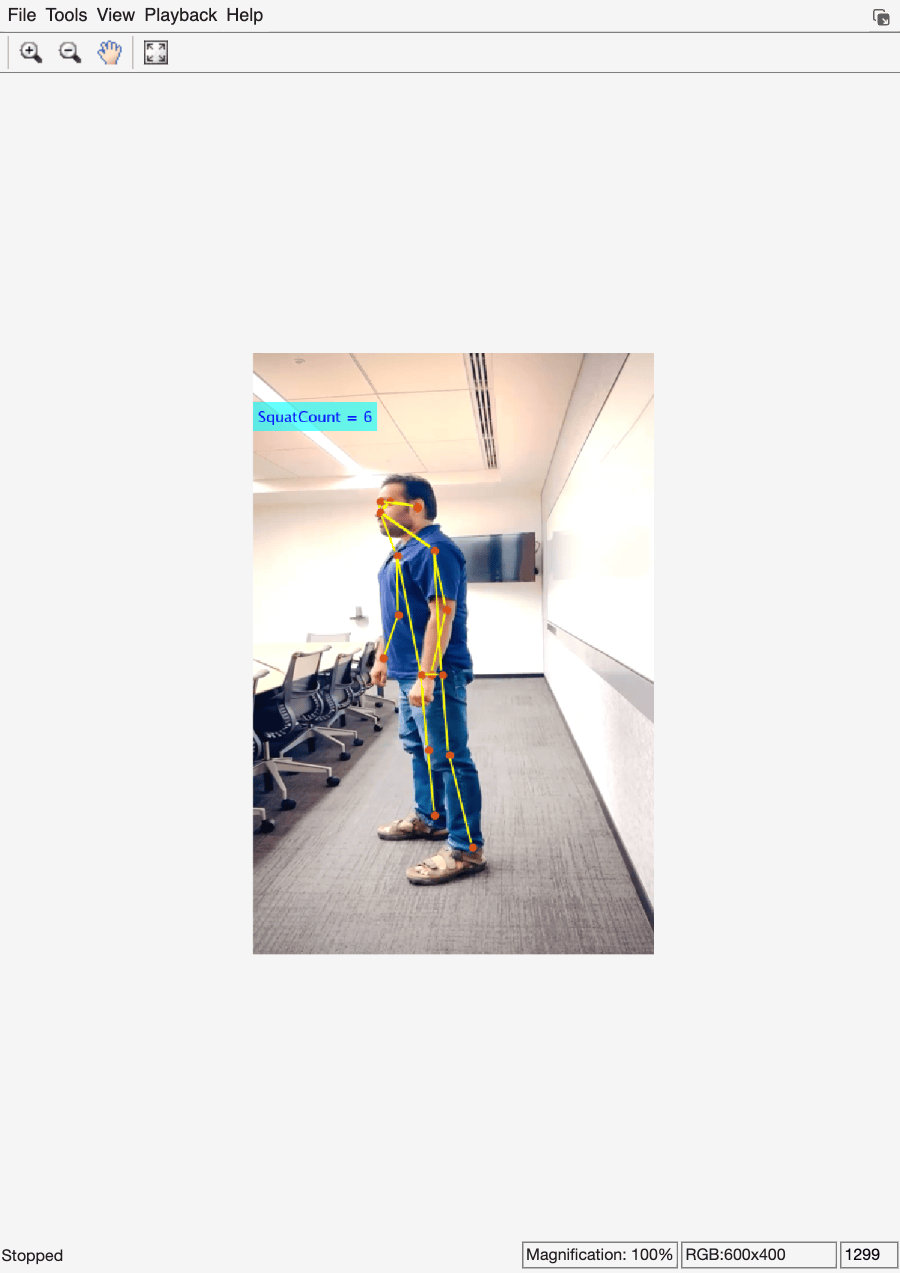
Deep Learning-based Human Pose Estimation for Squat Analysis
Use pretrained deep learning networks to estimate human body pose and perform squat analysis.
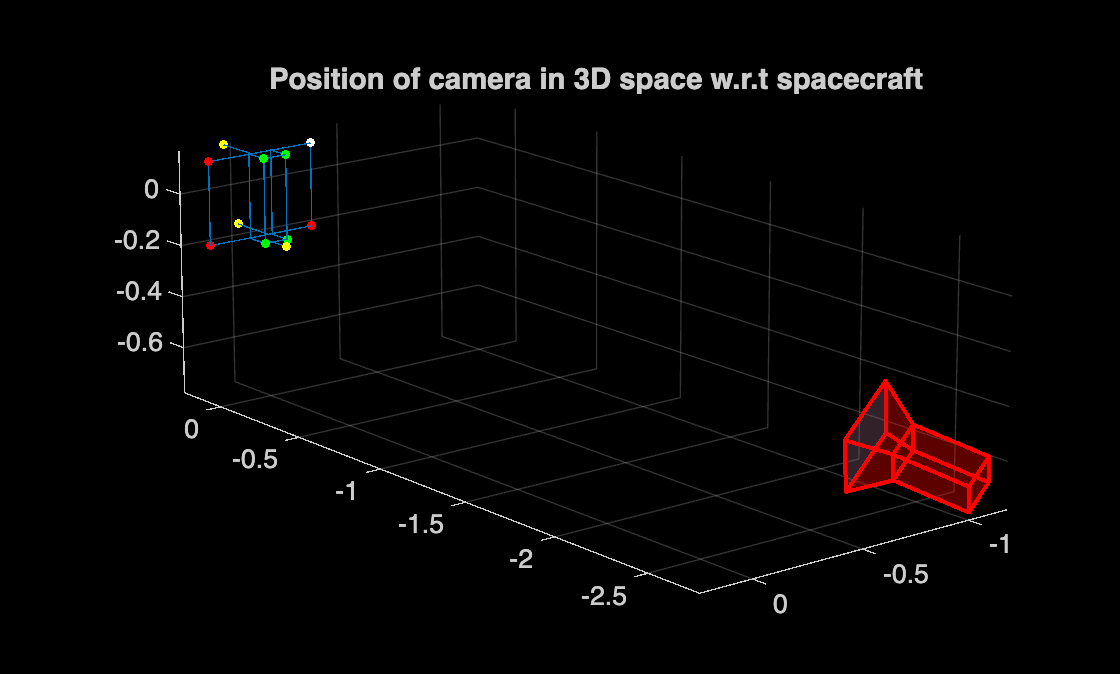
Spacecraft Pose Estimation Using HRNet Keypoint Detector and PnP Solver
Estimate keypoints and pose of spacecraft.

